Stainless Steel Finishes: 2B, BA, No.4, Hairline and Mirror
Compare stainless steel surface finishes, from 2B and BA to No.4, hairline and mirror, with typical uses and what to specify in your order.
Read article →
Send the specification, destination and target volume for an order-specific quote.
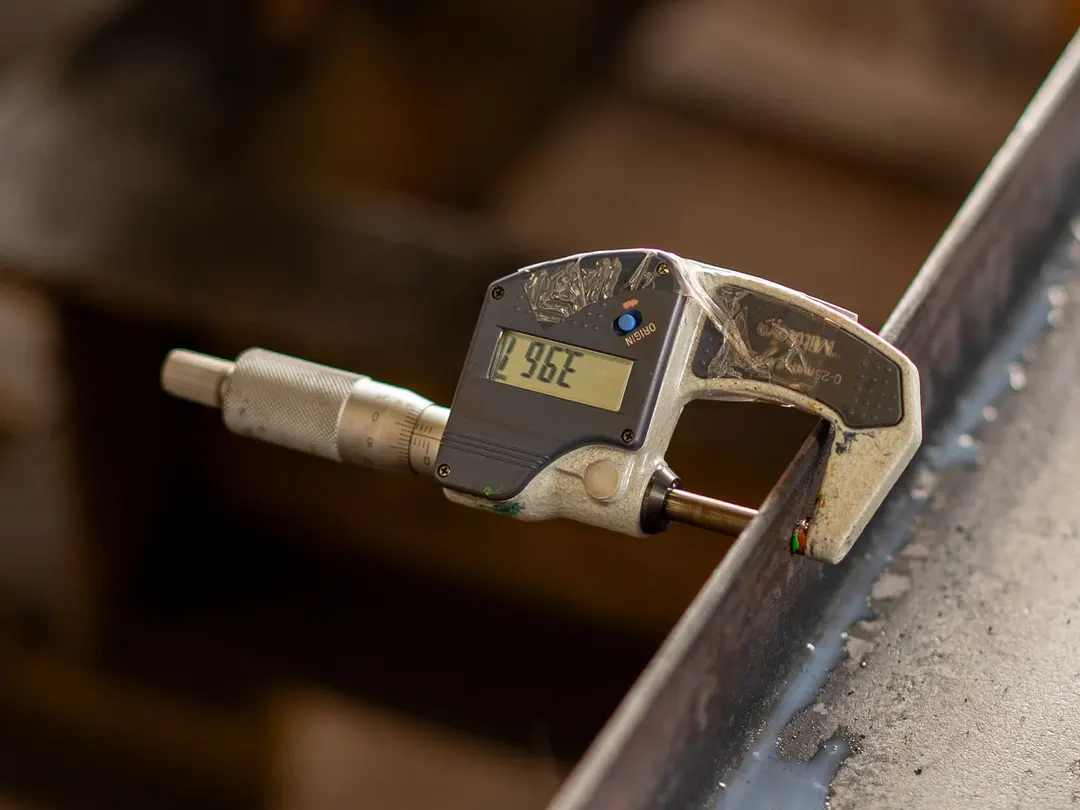
A mill test certificate is one of the most important documents in a steel order, and one of the least carefully read. Many buyers file it after checking only the grade. A few minutes of checking can reveal a heat number that does not match or a test result outside the standard, before the steel reaches your project.
This guide explains the EN 10204 document types and shows how to read a certificate step by step.
| Type | What it is | Test results | Who is involved |
| 2.1 | Declaration of compliance with the order | None | Manufacturer |
| 2.2 | Test report based on non-specific inspection | Yes, but not necessarily from your batch | Manufacturer |
| 3.1 | Inspection certificate based on specific inspection | Yes, from the delivered batch | Manufacturer's authorized inspection representative, independent of production |
| 3.2 | Inspection certificate with independent validation | Yes, from the delivered batch | As 3.1, plus the purchaser's representative or a designated inspector |
For a practical overview, see this guide to EN 10204 certificate types. Your contract or project specification should state which type is required. Check the current standard for exact wording.
None of these proves a problem on its own, but each is a reason to ask questions. If you are unsure, ask your supplier for a clearer copy and consider independent testing.
A certificate describes what was tested and reported. It does not prove that the steel in front of you is that heat unless the marking and traceability hold up. For critical orders, combine the paperwork with product testing and third-party inspection before loading. Portable alloy testing can also help check alloy steels, as we explain in our 304 vs 316 stainless steel guide.
Not necessarily. "Mill test certificate" is a general trade term. Check which document type is actually stated on the certificate.
Stock material often comes with the original mill certificate. Make sure it can be traced to your material, especially if it has been cut or processed.
It is usually difficult, especially for 3.2, which involves an independent party. State your requirement before production.
The easiest way to avoid certificate problems is to agree the requirement before ordering. Send us your specification, including the certificate type and any inspection needs, and our sales team will confirm what can be provided with your order.
Send the specification, quantity and destination port, and our sales team will prepare a quote.
Compare stainless steel surface finishes, from 2B and BA to No.4, hairline and mirror, with typical uses and what to specify in your order.
Read article →HRB400 and HRB400E have the same minimum strength. Learn what the E adds, how to compare them, and what to check in a rebar inquiry.
Read article →304 suits many everyday environments, while 316 is the usual step up where chlorides are involved, but neither is safe everywhere. Compare composition, chloride limits, L grades, testing and what to write in your inquiry.
Read article →